
Inicio – Blog
By Ismael Perdomo
Physician and General Surgeon | Specialist in Pediatrics and Epidemiology
Scientific Foundations, Long-Term Impact, and Comprehensive Recommendations
Introduction
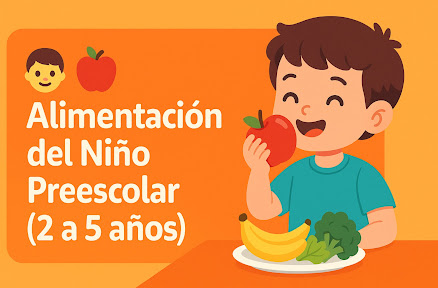
Between 2 and 5 years of age, children experience steady growth, consolidate essential motor and cognitive skills, develop feeding autonomy, and begin shaping their taste preferences and dietary habits. This stage, often underestimated in its long-term impact, represents one of the most critical periods for the metabolic, immunological, neurocognitive, and epigenetic programming of human health.
From a comprehensive perspective, nutrition in preschool children should not be limited to calorie counting or weight control. It must also consider brain development, immune maturation, gut microbiota formation, prevention of chronic noncommunicable diseases, and the child’s emotional well-being.
This article presents, in a clear and evidence-based manner, the most relevant aspects of preschool nutrition, common mistakes, risks associated with malnutrition — both excess and deficiency — the role of epigenetics, and practical recommendations for parents, caregivers, and healthcare professionals.
I. Physiological and Developmental Foundations in Preschool Years
During the preschool years, physical growth slows compared to the first two years of life, but it remains active and continuous. The brain continues to develop rapidly, especially areas involved in memory, emotional regulation, and attention. This stage is crucial for the consolidation of critical neural structures, making nutrition a determining factor in neurodevelopment.
At the digestive level, the gastrointestinal system has matured enough to tolerate a wide variety of foods. Chewing, swallowing, and intestinal motility continue to improve, allowing gradual transition into family meals. It is also during this period that children develop autonomous eating behaviors, learn to regulate satiety, and begin associating food with emotional and social experiences.
II. Gut Microbiota: A Silent Ally
Between ages 2 and 5, one of the most important phases in the establishment of the adult gut microbiota occurs. This complex ecosystem influences:
Nutrient metabolism
Production of vitamins and short-chain fatty acids
Immune system maturation
Systemic inflammatory balance
The gut-brain axis
A diet rich in fruits, vegetables, legumes, whole grains, and fermented foods promotes bacterial diversity and reduces dysbiosis. In contrast, diets high in added sugars, ultra-processed foods, additives, and saturated fats damage the microbiota, promote inflammation, and increase the risk of obesity, type 2 diabetes, autoimmune diseases, allergies, and neurodevelopmental disorders.
III. Epigenetics and Metabolic Programming
Nutrition during early childhood induces epigenetic changes — such as DNA methylation and histone modification — that alter gene expression without changing DNA sequence. These biological marks can be long-lasting and, in some cases, irreversible.
Research has shown that nutrition during the first five years of life can activate or silence genes involved in:
Lipid and glucose metabolism
Chronic inflammation
Adipogenesis
Appetite and satiety regulation
Neurocognitive development
Both undernutrition and obesity can induce epigenetic programming associated with increased risk of chronic noncommunicable diseases in adulthood, including cancer, cardiovascular disease, diabetes, fatty liver disease, and cognitive decline.
IV. Long-Term Consequences of Malnutrition During Preschool Years
Scientific evidence is clear: the quality of nutrition between ages 2 and 5 significantly influences long-term adult health.
a. Growth and Body Composition
Undernutrition: permanent short stature, reduced bone and muscle mass
Obesity: higher BMI, central adiposity, hypertension, hormonal alterations, and early puberty
b. Neurodevelopment
Lower IQ scores
Deficits in attention, memory, and executive function
Poor academic performance
Increased risk of depression, anxiety, and behavioral disorders
c. Microbiota and Immune System
Persistent gut dysbiosis
Increased risk of allergic and immune-mediated diseases
Greater susceptibility to infections
d. Epigenetic Effects
Activation of chronic inflammatory pathways
Programming of high-risk metabolic phenotypes
Potential intergenerational transmission of epigenetic alterations
V. Risks of Ultra-Processed Foods and Additives
Frequent consumption of ultra-processed products containing artificial colorants, emulsifiers, sweeteners, and preservatives has been associated with:
Behavioral changes such as hyperactivity, irritability, and attention deficits
Gut dysbiosis and endotoxemia
Increased risk of obesity, insulin resistance, and cardiovascular disease
Epigenetic modifications affecting metabolic and brain-related genes
Increased risk of cancer later in life
The American Academy of Pediatrics recommends minimizing these products in children’s habitual diets.
VI. Physical Activity and Lifestyle
Nutrition alone is not enough. Physical activity also plays a crucial role in the comprehensive development of preschool children.
Current recommendations include:
At least 180 minutes of total physical activity daily, including 60 minutes of moderate-to-vigorous activity
Free play, outdoor exploration, nature-based activities, and recreational sports
Limiting screen time to no more than 1 hour per day
Movement stimulates neuroplasticity, improves emotional health, promotes a healthier microbiome, and strengthens cardiovascular and musculoskeletal systems.
VII. Practical Recommendations for Healthy Eating
Structured schedules: establish consistent meal and snack times while avoiding constant grazing.
Positive environment: encourage family meals without screens, promoting conversation and participation.
Variety and color: include fruits, vegetables, whole grains, legumes, and lean protein sources daily.
Avoid forcing food: respect hunger and satiety signals without punishment or pressure.
Healthy beverages: prioritize water as the main beverage. Limit juice intake to less than 120 mL/day and avoid sugary drinks.
Low-fat dairy products: after age 2, incorporate low-fat milk, yogurt, and cheese.
Repeated exposure: introduce new foods multiple times without forcing immediate acceptance. Repetition improves familiarity and acceptance.
Reduce ultra-processed foods: minimize packaged snacks, processed meats, sugary cereals, candies, and heavily processed foods.
VIII. Early Detection of Subclinical Malnutrition
Even children with normal weight and height may have deficiencies in essential micronutrients such as iron, zinc, vitamin B12, or vitamin D, potentially affecting cognitive and metabolic development.
For this reason, healthcare providers should consider:
Periodic nutritional assessments
Screening using validated tools such as NutriSTEP
Dietary review and laboratory testing when clinically indicated
IX. What Should a Preschool Child Eat? Practical Guide for Parents and Caregivers
General Approach
Nutrition for children aged 2 to 5 should:
Provide adequate energy for growth, play, and brain development
Supply balanced macronutrients (carbohydrates, proteins, and healthy fats)
Ensure sufficient intake of essential micronutrients
Encourage diversity of flavors and textures
Respect appetite and biological rhythms without coercion or food-based rewards
Foods That Should Be Included Daily
Examples: brown rice, oats, corn, potatoes, cassava, whole-grain bread, quinoa, plantains.
Examples: chicken, turkey, lean meats, fish, eggs, lentils, beans, chickpeas, tofu.
Include a variety of colors and textures.
Prefer whole fruits with peel when appropriate.
Milk, unsweetened yogurt, and fresh cheese.
Olive oil, avocado, seeds, salmon, sardines.
Supports hydration and appetite regulation.
Foods to Avoid or Limit
Sugary beverages and soft drinks
Ultra-processed foods
Packaged salty and sweet snacks
Added sugars and high-fructose corn syrup
Frequent fried foods
X. Final Reflection
Nutrition during the preschool years is far more than a matter of calories. It is formative, preventive, therapeutic, and socially transformative. Through healthy nutrition, we help cultivate not only healthier bodies, but also stronger minds and future generations capable of thriving.
Educating parents, training healthcare professionals, and promoting public policies that guarantee access to healthy foods must remain priorities for every society aspiring toward sustainable and equitable development.
Scientific References
Muth ND, Bolling C, Hannon T, Sharifi M. The Role of the Pediatrician in the Promotion of Healthy, Active Living. Pediatrics. 2024.
Hampl SE, Hassink SG, Skinner AC, et al. Clinical Practice Guideline for the Evaluation and Treatment of Children and Adolescents With Obesity. Pediatrics. 2023.
Laursen MF. Gut Microbiota Development: Influence of Diet From Infancy to Toddlerhood. Ann Nutr Metab. 2021.
Cerdó T, Diéguez E, Campoy C. Early Nutrition and Gut Microbiome. Am J Physiol Endocrinol Metab. 2019.
Additional references available in the original scientific bibliography.

© 2026 With Ties of Love Inc. | 501(c)(3) Public Charity | EIN 99-3711421 | FL Doc. No. N24000007712 | CH79198.- Diseño Web: www.creasotol.com