
Inicio – Blog
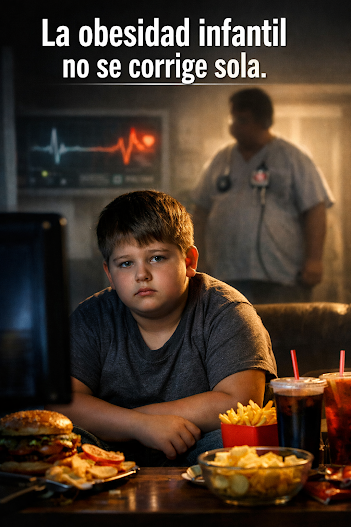
One of the most harmful misconceptions in pediatric obesity is therapeutic resignation: “they will lose weight when they grow up” or “it is better to wait.” The study published in JAMA Pediatrics in 2025 responds to this belief with strong evidence. Researchers evaluated 6,713 children and adolescents with obesity enrolled in the Swedish BORIS registry and compared them with controls from the general population, assessing health outcomes between the ages of 18 and 30. The central finding was clear and compelling: a better response to obesity treatment during childhood was associated with a lower future risk of type 2 diabetes, dyslipidemia, hypertension, and even reduced mortality in young adulthood.
The study was designed as a dynamic prospective cohort using clinical data linked to national registries. It included patients between 6 and 17 years of age who had received at least one year of treatment. Treatment response was classified according to changes in BMI standard deviation score, ranging from poor response to obesity remission. The median age at treatment initiation was 12.1 years, and the median treatment duration was 3.0 years. Importantly, the study did not simply ask whether children lost weight; it asked whether changing weight trajectories during childhood altered the risk of real diseases years later. From a public health perspective, that is the right question.
From a pathophysiological standpoint, the findings are biologically consistent. Persistent pediatric obesity promotes chronic low-grade inflammation, insulin resistance, neurohormonal activation, and ectopic fat accumulation. Therefore, the earlier unhealthy trajectories are interrupted, the lower the cumulative metabolic burden becomes. The study observed that even a moderate treatment response reduced the risk of type 2 diabetes, while the greatest reductions in hypertension and dyslipidemia were seen in those who achieved a strong response or obesity remission. However, the study did not find the same protective effect for depression or anxiety, reminding us that treatment must continue to follow a biopsychosocial approach.
My interpretation is straightforward: treating obesity in pediatrics is not an “aesthetic” intervention; it is long-term cardiovascular and metabolic prevention. Healthcare systems should use this type of evidence to justify greater investment in intensive, continuous, and multidisciplinary pediatric obesity programs. The question is no longer whether treatment is worthwhile; the real question is why we continue to offer less treatment than the evidence supports.
Scientific or Institutional Source
Putri et al., Effect of Pediatric Obesity Treatment on Long-Term Health, JAMA Pediatrics (2025).

© 2026 With Ties of Love Inc. | 501(c)(3) Public Charity | EIN 99-3711421 | FL Doc. No. N24000007712 | CH79198.- Diseño Web: www.creasotol.com