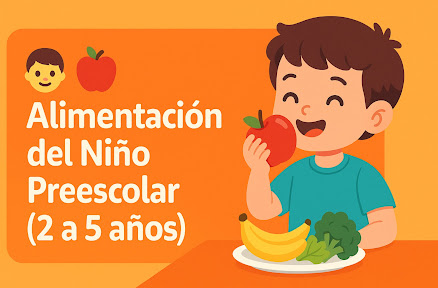
By Ismael Perdomo Physician and General Surgeon | Specialist in Pediatrics and Epidemiology Scientific Foundations, Long-Term Impact, and Comprehensive RecommendationsIntroduction Between 2 and 5 years of age, children experience steady growth, consolidate essential motor and cognitive skills, develop feeding autonomy, and begin shaping their taste preferences and dietary habits. This stage, often underestimated in its […]
By Dr. Ismael Perdomo Pediatrician – Epidemiologist Introduction: A Critical Stage for Lifelong Health Between 12 and 24 months of age, children go through a period of rapid physical and neurological growth. This is also a stage of high biological plasticity, in which nutrition not only meets energy requirements, but also modulates gene expression (epigenetics), […]
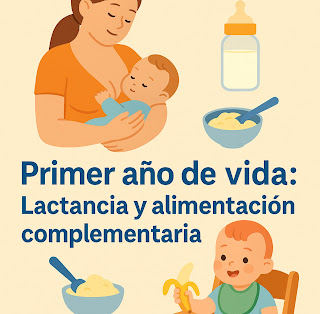
Nutrition During the First Year of Life: Scientific and Practical Recommendations for Parents and Medical StudentsBy Dr. Ismael Perdomo – Pediatrician | EpidemiologistIntroduction The first year of life is a period of accelerated and comprehensive development in which the foundations of physical growth, neurological maturation, immune function, intestinal microbiota, eating habits, emotional bonding, and future […]
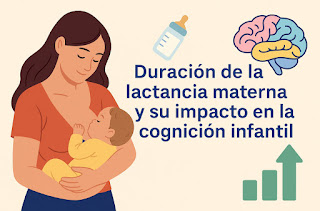
By Ismael Perdomo Medical Doctor (MD), Pediatric Specialist, Epidemiologist The duration of breastfeeding has been associated in multiple studies with superior cognitive development in children, even after adjusting for key variables such as socioeconomic status and maternal intelligence. A recent study from the Millennium Cohort Study (United Kingdom) found advantages in verbal and spatial performance […]

By ISMAEL PERDOMO Physician – Pediatrician | Epidemiologist The Greatest Gift for a Lifetime Breastfeeding is the first act of love and nourishment that a mother can offer her child. It is much more than feeding: it is protection, bonding, comfort, and the foundation of lifelong health from the very first moments of life. According […]

Longevity, Birth Rates, and the Challenge of Sustaining Modern Civilization Since ancient times, humanity has sought to understand its own existence, origin, and destiny. For those who interpret human history through the lens of the Bible, the story does not begin with modern statistics or censuses, but with a profound theological affirmation: human life was […]

By Ismael Perdomo Physician – Pediatrician | Epidemiologist Childhood obesity has become one of the most serious and rapidly growing public health crises worldwide. What was once considered a problem limited to high-income countries now affects children and adolescents across all socioeconomic levels and regions of the world. According to the World Health Organization (WHO), […]

What the Latest CDC Data Show The latest NCHS/CDC data leave little room for complacency. In August 2021 through August 2023, an estimated 21.1% of U.S. children and adolescents aged 2 – 19 were living with obesity, including 7.0% with severe obesity; another 15.1% were overweight. Published as a Health E-Stat in 2026, the report […]

One of the most harmful misconceptions in pediatric obesity is therapeutic resignation: “they will lose weight when they grow up” or “it is better to wait.” The study published in JAMA Pediatrics in 2025 responds to this belief with strong evidence. Researchers evaluated 6,713 children and adolescents with obesity enrolled in the Swedish BORIS registry […]

Childhood obesity does not begin when a child starts school or when excess weight becomes visible. Its biological and behavioral trajectory often starts before birth and consolidates during the first 1000 days of life, from preconception to age two. This concept is highly relevant in preventive pediatrics because it shifts the focus from late correction […]

